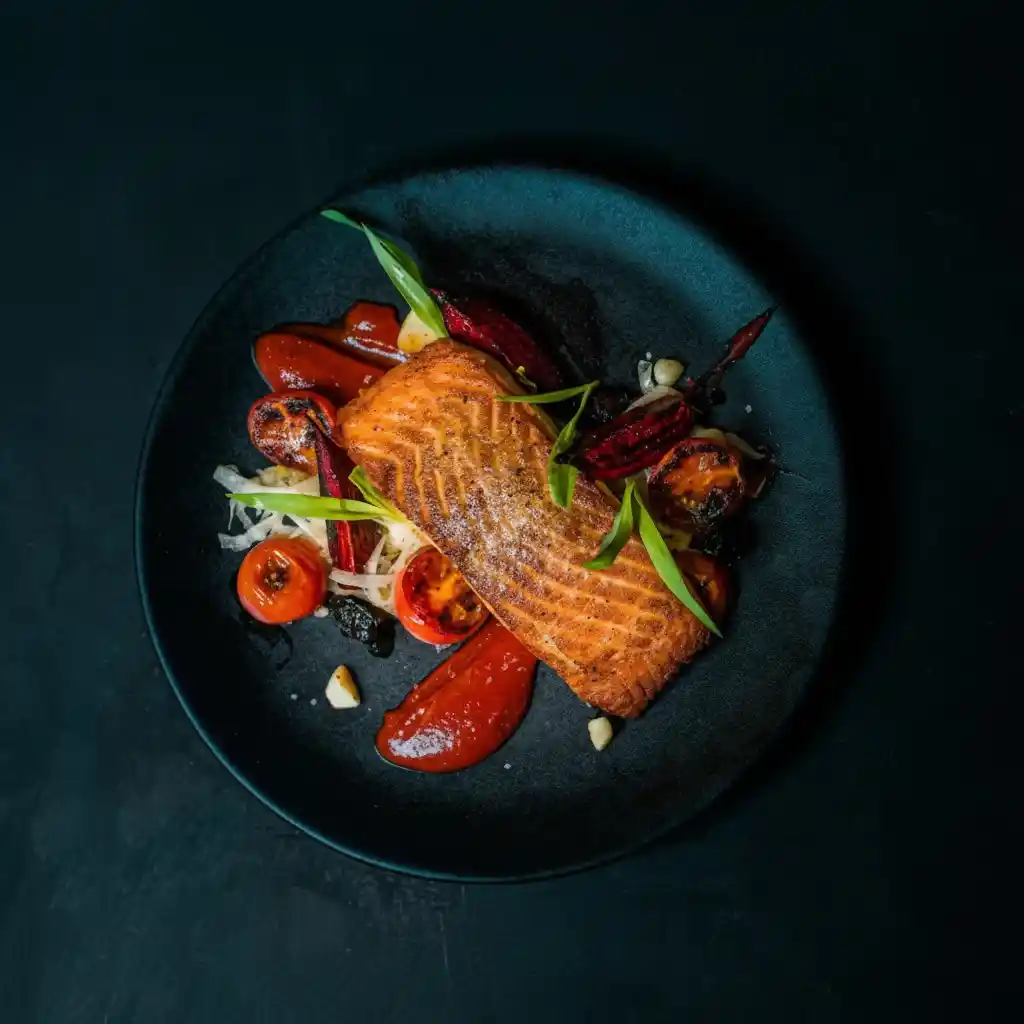
If you’ve ever followed a recipe and thought, “Okay… but HOW golden?”, you’re definitely not alone.
“Cook until golden” is one of those phrases that experienced cooks understand instinctively—but for beginners, it can be surprisingly confusing. Does it mean light golden? Dark brown? Crispy? Soft?
The answer depends on what you’re cooking, but generally, golden means the food has developed a light-to-medium brown colour on the outside and has started to develop deeper flavour.
Golden Brown = More Than Just Colour
When food turns golden brown, you’re seeing the result of browning reactions happening on the surface. This is what gives many foods that delicious toasted, nutty and savoury flavour.
Think about:
- Crispy roast potatoes
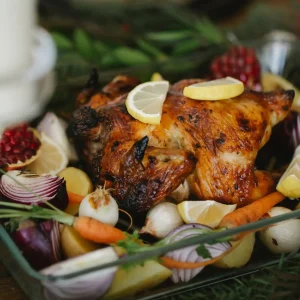
- Golden chicken
- Toasted breadcrumbs
- Pastry
- Pancakes
- Fried onions
- Garlic bread
- Cookies
That beautiful golden colour is usually a sign that the outside has developed flavour and texture.
So What Should You Actually Look For?
When a recipe says “cook until golden,” look for:
Light golden:
A pale yellow-golden colour. This is usually ideal for delicate foods such as pastry or lightly toasted bread.
Golden brown:
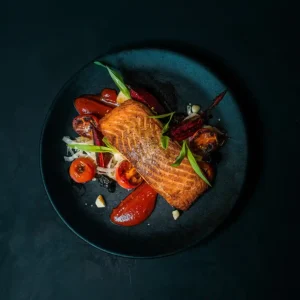
A deeper caramel colour with a slightly crisp exterior. This is often what recipes mean when they say “golden brown.”
Dark brown:
You’re getting close to burnt territory. Some foods benefit from deep browning, but if something is becoming very dark very quickly, reduce the heat.
Don’t Turn Up the Heat to Get There Faster
This is where beginners can get caught out.
If you increase the heat because your food isn’t browning quickly enough, you can end up with something that’s burnt on the outside but undercooked inside.
Instead, give the food time to brown properly.
If you’re pan-frying something, medium or medium-high heat is often a better starting point than blasting it on high heat.
🍳 Don’t Keep Moving the Food
Want a beautiful golden crust on your chicken, potatoes or vegetables?
Leave them alone for a little while.
Constantly stirring, flipping or moving food around can prevent it from developing a good sear.
Give one side time to make contact with the hot pan, then check underneath. If it’s beautifully golden, that’s your cue to turn it.
Use Your Other Senses Too
Colour isn’t the only clue.
As food browns, you’ll often notice:
- A toasted or nutty aroma
- A crispier texture
- Caramelised edges
- Less moisture on the surface
- A richer, deeper flavour
Your eyes, ears and nose can all help you understand what’s happening in the pan.
Golden Doesn’t Mean Burnt
There’s a big difference between golden brown and dark brown/black.
If the food is developing black spots, smoking excessively or smelling bitter and burnt, you’ve gone too far.
When you’re unsure, take it off the heat slightly earlier. You can always cook it a little more, but you can’t undo burnt food.
The Beginner’s Rule
When a recipe says “cook until golden,” don’t obsess over getting the exact shade of brown shown in a photograph.
Instead, look for that moment when the food has developed a beautiful golden colour, a slightly crisp exterior and a delicious toasted aroma.
And remember:
Golden = flavour.
Once you learn to recognise that colour and aroma, you’ll start understanding what recipes mean without having to second-guess every instruction.